How to Schedule Florist Staff During Wedding Season
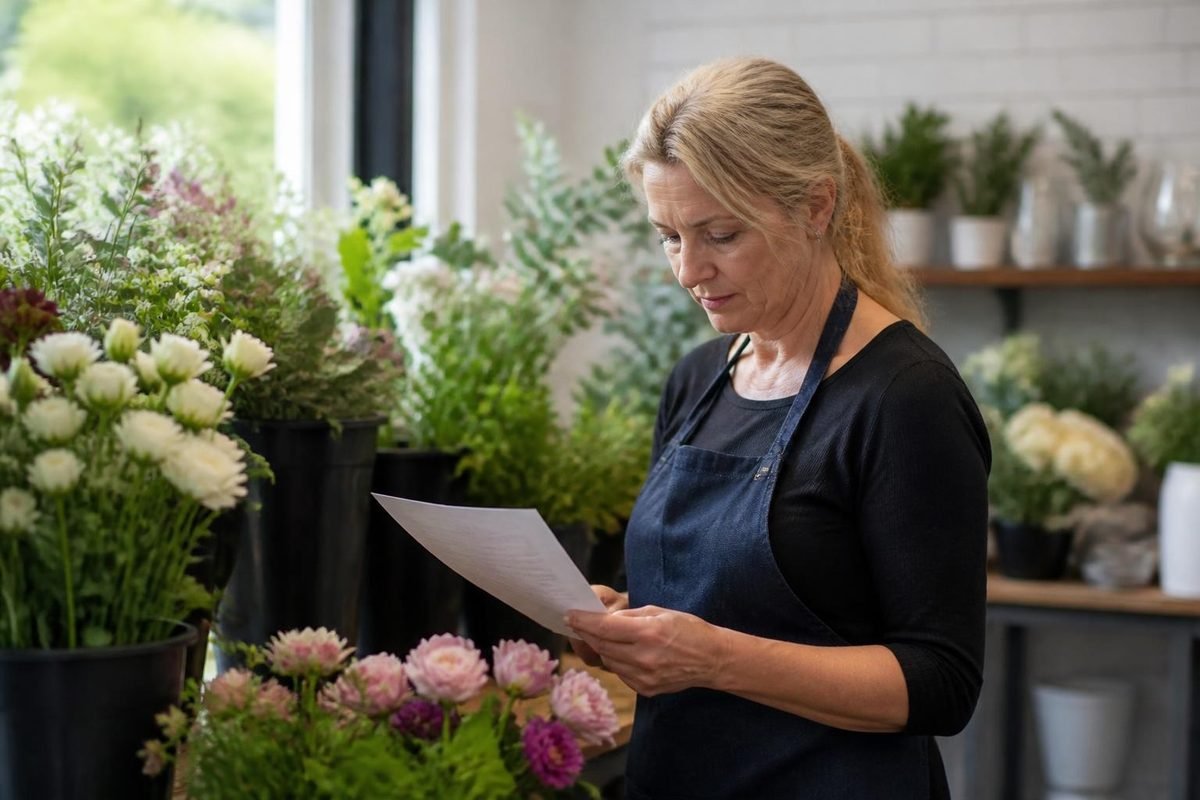
Schedule florist staff during wedding season by working backward from each wedding, assigning enough people to preparation, design, delivery and setup. Keep some flexibility in the rota for late changes, and give the team clear shifts and time to rest.
Start with the wedding calendar
Put every confirmed wedding on one calendar, along with its delivery and setup times. Add the main tasks that come before each event, from receiving flowers and conditioning stems to making bouquets and packing vehicles. A wedding that takes place on Saturday may need staff hours spread across several days.
Look at the full week rather than the wedding day alone. Two events on the same weekend can compete for workspace, vehicles and experienced designers even if their ceremonies are hours apart. Note any venue access limits or collection times that could make the schedule tighter.
Estimate the work before assigning shifts
Break each event into tasks and estimate how long each one is likely to take. Consider the number and complexity of arrangements, the condition of the flowers on arrival, travel time and the size of the setup team. Past weddings can help you judge the hours, though no two jobs are quite the same.
Assign people according to their skills and the work that needs to happen at the same time. An experienced designer may need uninterrupted bench time while another team member prepares containers or packs supplies. Make sure someone is responsible for checking finished pieces against the order.
Build shifts around the busiest hours
Put more staff on the schedule when several tasks overlap, rather than spreading hours evenly across the week. Early starts may be necessary for flower deliveries or venue access, while collection after an event can run late. Record those commitments before filling the remaining shifts.
Share the rota as early as you can and confirm who is available for changes. Allow for meal breaks, travel and the time needed to load and unload. Check the working time and break rules that apply where your business operates. A schedule that looks efficient on paper is less useful if the team cannot reasonably follow it.
Leave room for changes
Flowers can arrive in poor condition, a delivery can be delayed, or a venue may change its access arrangements. Avoid booking every available hour. Keep some capacity free, and identify who can help if a job takes longer than expected without assuming anyone is always on call.
Hold a short planning conversation before the busiest days. Confirm assignments, contact details and any outstanding decisions. After the weekend, note where estimates were accurate and where the team needed more time. Those notes can make the next rota easier to build.
Questions about wedding season scheduling
How far ahead should the rota be shared?
Share a draft once event requirements and staff availability are clear enough to make useful assignments. Update it when details change, and tell affected staff directly.
What if two weddings need setup at the same time?
Check whether each venue can offer a different access window. If not, assign separate teams and make sure each has the flowers, supplies and transport needed for its own event.
For more detail, see flowers for every room